

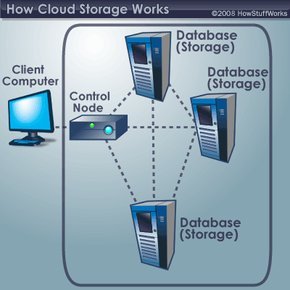
Software retrieves data stored on hardware by sending requests that the hardware responds to. These requests instruct the hardware where to locate the data and how to transfer it back to the software for processing. The intricate dance between software and hardware enables seamless data retrieval, making it a fundamental process in computing. In this article, we will delve deeper into how software can retrieve data stored on hardware, shedding light on the crucial interplay between these two essential components of computing. Let’s explore this fascinating process together.

Explaining How Software Can Retrieve Data Stored on Hardware
Welcome to our blog where we will delve into the fascinating world of how software can retrieve data stored on hardware. Have you ever wondered how your computer or smartphone is able to access all the information stored on it? In this article, we will break down the process in a simple and easy-to-understand way.
The Basics of Data Retrieval
Data retrieval is the process of accessing and recovering information that is stored on a hardware device such as a computer’s hard drive or a smartphone’s memory. Software plays a crucial role in this process by serving as the intermediary between the hardware and the user.
Understanding Software and Hardware
Before we dive deeper into how software retrieves data from hardware, let’s briefly touch upon what software and hardware actually are. Hardware refers to the physical components of a device, such as the computer’s processor, memory, and storage devices. Software, on the other hand, consists of the programs and applications that run on the hardware to perform specific tasks.
Interaction Between Software and Hardware
When you click on a file on your computer or open an app on your smartphone, the software sends a request to the hardware to retrieve the necessary data. The hardware then locates the data on its storage device and sends it back to the software for processing.
Steps Involved in Data Retrieval
Now, let’s break down the steps involved in how software retrieves data stored on hardware:
Step 1: Requesting Data
When you initiate an action that requires accessing data, such as opening a document or playing a song, the software sends a request to the hardware to fetch the data.
Step 2: Locating Data
The hardware then searches for the requested data on its storage device, whether it’s a hard drive, solid-state drive, or any other storage medium where the information is stored.
Step 3: Data Transfer
Once the data is located, the hardware transfers it to the software through various pathways, such as data buses and input/output ports.
Step 4: Data Processing
After receiving the data, the software processes it based on the user’s request. This could involve opening a file, displaying an image, or running a program.
Software Algorithms and Data Retrieval
Software uses algorithms to efficiently retrieve data from hardware. These algorithms are sets of instructions that dictate how the software should interact with the hardware to retrieve and process data accurately and quickly.
Optimizing Data Retrieval
Developers continuously work on optimizing algorithms to improve data retrieval speed and efficiency. By fine-tuning the algorithms, software can retrieve data in the most effective manner.
Types of Data Retrieval
There are various types of data retrieval methods that software employs to access information stored on hardware:
Sequential Access
In this method, data is retrieved in a sequential order, moving from one location to the next. It is akin to reading a book from the first page to the last.
Random Access
With random access, data can be retrieved from any location on the storage device without having to follow a specific sequence. This method allows for quicker data retrieval for specific requests.
Cached Data Retrieval
Software can also utilize caching to retrieve frequently accessed data more quickly. Cached data is stored in a temporary location closer to the processor, reducing the time needed to retrieve the information.
Challenges in Data Retrieval
While software has made tremendous advancements in data retrieval, there are still challenges that developers face in ensuring seamless access to data stored on hardware:
Data Fragmentation
Data fragmentation occurs when files are split into pieces and stored in different locations on the storage device. This can slow down data retrieval as the software needs to piece together the fragmented data.
Hardware Failures
Hardware failures, such as a malfunctioning hard drive or memory issues, can impede data retrieval. Software needs to be capable of handling such failures and ensuring data integrity.
In conclusion, software plays a vital role in retrieving data stored on hardware devices. By understanding the interaction between software and hardware, as well as the steps involved in data retrieval, we can appreciate the complexity and sophistication of modern computing systems.
Next time you open a file on your computer or access an app on your smartphone, remember the intricate process that software undergoes to retrieve the data you need!
How computer memory works – Kanawat Senanan
Frequently Asked Questions
How does software retrieve data stored on hardware?
Software can retrieve data stored on hardware by sending specific requests to the hardware components through the operating system. The software communicates with the hardware using drivers to access and manipulate data stored in various storage devices like hard drives, solid-state drives, or memory modules.
What role does the operating system play in retrieving data from hardware?
The operating system acts as an intermediary between the software applications and the hardware components. It provides the necessary interface and services for software to communicate with different hardware devices, enabling data retrieval by managing input and output operations effectively.
Can software retrieve data from hardware without proper drivers?
No, software typically requires specific drivers to interact with hardware devices successfully. Drivers serve as software components that allow the operating system and applications to communicate with hardware devices effectively, enabling the retrieval of data stored on the hardware.
Final Thoughts
In conclusion, software plays a crucial role in retrieving data stored on hardware. Through commands and algorithms, software communicates with hardware components to read, write, or modify data. By sending requests and interpreting responses, software bridges the gap between the user and the underlying hardware, enabling seamless data retrieval. Understanding how software interacts with hardware is vital for effective data management and system operation.