

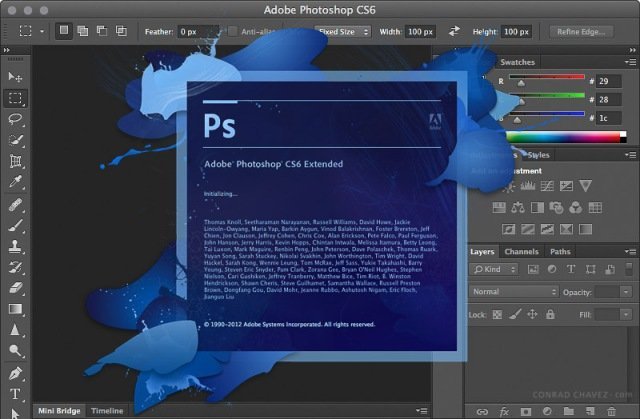
Photoshop CS6 pirated? Here’s how to know if the software you’re using is a legitimate copy or a pirated version. One of the telltale signs is the absence of a valid license key during installation. Additionally, if you’re experiencing frequent error messages or are unable to access certain features, this could indicate that you’re using pirated software. It’s essential to ensure you’re utilizing authentic software to avoid legal implications and security risks. Look out for these red flags to determine if your Photoshop CS6 is pirated.

Photoshop CS6 Pirated: How to Know If Your Software is Legit
Welcome, young creators! Today, we are going to delve into the world of Adobe Photoshop CS6 and discuss how to determine if your software is genuine or pirated. Photoshop CS6 is a powerful tool used by artists, designers, and photographers worldwide. However, using pirated software not only violates copyright laws but also puts your device at risk of malware and other security threats. Let’s explore some key indicators that can help you identify whether your Photoshop CS6 copy is authentic or not.
1. Check the Installation Process
When you first installed Photoshop CS6, did you encounter any unusual steps or prompts? Legitimate software typically comes with a straightforward installation process guided by the original manufacturer. If you had to download the software from a questionable website or bypass certain activation steps, it’s a red flag that your copy might be pirated.
2. Verify the License Key
Every legitimate copy of Photoshop CS6 comes with a unique license key provided by Adobe. To check the authenticity of your software, locate your license key and verify it on Adobe’s official website. If the key is invalid or has been flagged as pirated, it’s a clear indication that your software is not genuine.
3. Look for Update Notifications
Adobe regularly releases updates and patches for Photoshop CS6 to enhance performance and address security vulnerabilities. Legitimate users receive automatic notifications prompting them to download and install these updates. If you’re not receiving any update notifications or having difficulty updating your software, it could be a sign that you’re using a pirated version.
4. Check for Watermarks or Altered Features
One common practice among software pirates is altering the original software to remove watermarks or disable certain features that are only available in the legitimate version. Take a close look at your Photoshop CS6 interface. Do you see any missing tools or functionalities that should be present in the official release? If so, it’s likely that your software has been tampered with.
5. Examine the Source of Acquisition
How did you acquire your copy of Photoshop CS6? If you obtained the software from a suspicious website offering “free” or heavily discounted versions of Adobe products, chances are it’s a pirated copy. Adobe does not distribute its software through unofficial channels, so be wary of sources that seem too good to be true.
6. Run a Software Authenticity Check
There are online tools and applications that can help you determine the authenticity of your Photoshop CS6 installation. These tools scan your software for signs of tampering or piracy, providing you with a detailed report on the legitimacy of your copy. Consider running such checks if you’re unsure about the origins of your software.
7. Reach Out to Adobe Support
If you’re still unsure about the authenticity of your Photoshop CS6 copy, don’t hesitate to reach out to Adobe’s customer support team. They can assist you in verifying your license key, checking for any irregularities, and guiding you on the next steps to take if your software is indeed pirated. It’s always better to seek clarification from the official source.
As young creators, it’s essential to respect intellectual property rights and use genuine software to support the developers who work hard to bring us innovative tools like Photoshop CS6. By following the tips outlined in this article, you can ensure that your creative endeavors are built on a solid foundation of authenticity and integrity. Remember, creativity thrives best in an environment of honesty and respect. Happy creating!
Don’t Buy Photoshop! Use this Instead. 😊 #shorts #photoshop #photoediting
Frequently Asked Questions
How to identify if my Photoshop CS6 is pirated?
To determine if your Photoshop CS6 software is pirated, you can check for certain signs such as missing or incomplete features compared to the legitimate version, frequent pop-ups or notifications prompting you to activate the software, or unusual behavior when updating or accessing online features. Additionally, if you did not purchase the software from an authorized seller or if the price you paid was significantly below the market rate, it could indicate that the software is pirated.
What are the risks of using pirated Photoshop CS6?
Using pirated software like Photoshop CS6 poses various risks, including exposure to malware and viruses that may be embedded in the software. Pirated versions often lack important security updates and patches, making your system vulnerable to cyber threats. Furthermore, if caught using pirated software, you could face legal consequences such as fines or even legal action from software companies.
Can I upgrade a pirated version of Photoshop CS6 to a legal one?
No, it is not possible to upgrade a pirated version of Photoshop CS6 to a legal one. To use the software legitimately, you will need to purchase a genuine copy from Adobe or an authorized reseller. Upgrading from a pirated version can lead to complications, and it is always best to start fresh with a legal license to ensure access to updates, support, and full functionality.
Final Thoughts
In conclusion, detecting a pirated Photoshop CS6 version is crucial to protect yourself from legal issues. If you notice missing updates or limited features, it may indicate a pirated copy. Additionally, frequent pop-up messages requesting activation are a red flag. Always verify your software’s authenticity to avoid using a pirated version of Photoshop CS6.